
Read Salvador in three areas
The same decisions in text
Cidade Alta · Upper Town
Praça Municipal → Terreiro de Jesus → Pelourinho
Choose one place to go inside. If slopes or paving make walking difficult, stay in the upper town and check the approach to the entrance.
Cidade Baixa · Lower Town
Elevador Lacerda → Mercado Modelo → bay
Go down if the link and its approaches suit you. Check the return separately. Bonfim on the Itapagipe peninsula calls for another leg.
Barra and the waterfront
Porto da Barra or Farol da Barra
Give the waterfront its own block. For swimming, check the bulletin and sea conditions. Set aside separate time for Itapuã if you want more of the Atlantic coast.
Sources · UNESCO · Iphan · G20 Brasil · Inema
Decisions in practice
One afternoon after landing
Stay near your accommodation. If you are already in Cidade Alta, visit the squares and make one stop. Go down only if you have worked out the return.
Rough sea on a beach day
Swap swimming for an open cultural venue or a meal near your base. Keep the waterfront for another window.
The historic centre on two levels
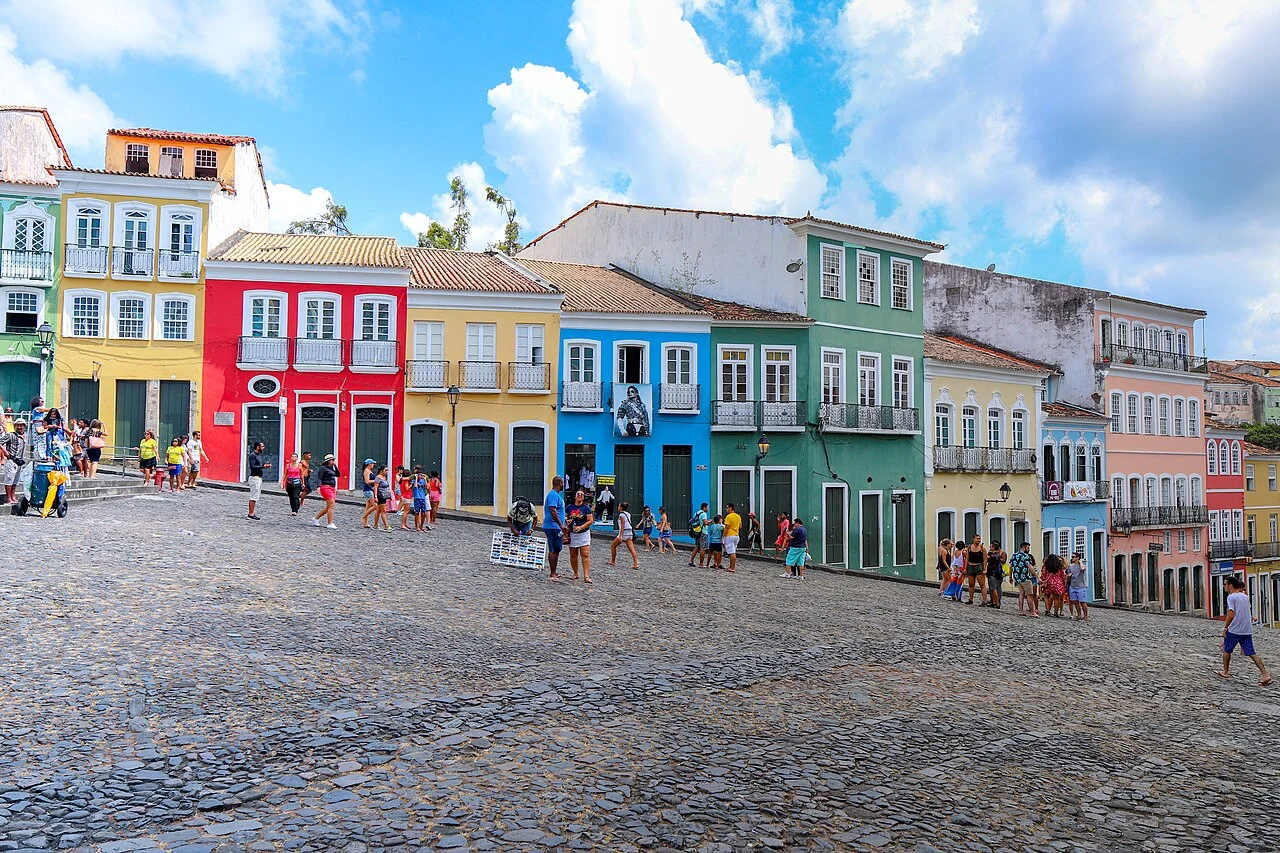
Start in Cidade Alta at Praça Municipal, then walk through Terreiro de Jesus towards Largo do Pelourinho. The UNESCO-listed historic centre includes more than the famous square. Pick one museum, church or cultural centre to go inside. Leave yourself time for the streets and squares between visits.
Cidade Baixa puts the bay and Mercado Modelo in front of you. Elevador Lacerda links the levels. Check whether it is operating, then look at the approach on both sides. If stairs, uneven surfaces or carrying luggage would make the route difficult, arrange a vehicle between the two points.
Salvador was the capital of Portuguese America until 1763. Its colonial buildings also tell a story of the forced labour that supported that economy. Give time to a cultural venue or programme that can put the city’s Afro-Brazilian traditions in context.
Sources · UNESCO · Iphan · G20 Brasil
Barra, Rio Vermelho and Itapuã
In Barra, choose Porto da Barra for time near the water, or the Farol da Barra area for a walk with a changing view of the coast. Check the latest water-quality bulletin and local conditions before swimming.
Make Rio Vermelho the end of an afternoon or the place you go for dinner. Work out the return to your accommodation first. If you want time on Itapuã’s Atlantic shore, give it a separate block instead of squeezing it between stops in Barra.
For a different view of the bay, set aside time for Bonfim on the Itapagipe peninsula. Treat it as a separate visit in Cidade Baixa and confirm access to the place you intend to visit.
Sources · G20 Brasil · Iphan · Inema
Make room for food and culture
A moqueca lunch or an acarajé stop can give a walk a natural endpoint. Iphan recognises the craft of the baianas de acarajé as cultural heritage. Ask about ingredients if you have dietary requirements and leave time to eat.
Check cultural programmes with the venue or organisers. Plan one main visit and a nearby fallback. Festivals and public holidays can also change street access and pick-up arrangements.
Sources · G20 Brasil · Iphan
When to go and what to check
Decide which part of the trip depends on conditions. For beaches, use the water-quality bulletin and check conditions on the day. For a festival, verify the programme and street changes. If heritage is the priority, identify an indoor alternative.
Keep the first visit flexible while you collect luggage and check in. On a rainy day, choose a venue that has confirmed opening or have a meal near your base.
Sources · Inema · Salvador Bahia Airport